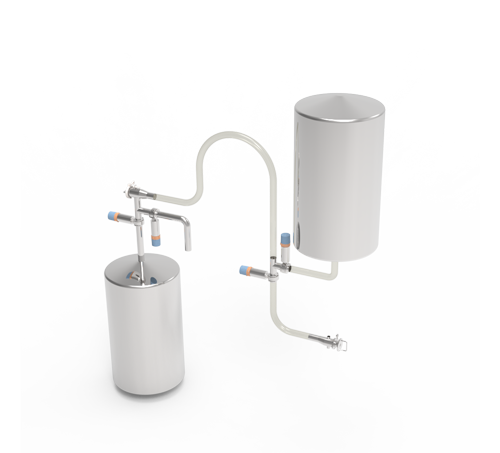
How does a bi-directional pig fit into a broader integrity management and risk-reduction plan?
Progress inside pathway scraping processes yielded revolutionized functionality in addition to protection across energy together with natural gas areas.
Increased deployment with respect to multi-direction apparatus carries ushered in amplified servicing competences though reducing interruptions along with performance disbursements.
In-depth Review with respect to Bi-Directional Pipeline Pigging
Two-way scraping is a essential improvement in channel safety maintenance. This approach uses reciprocal swabbing passes to completely clean blockages and locate anomalies inside the conduit. Benefits include heightened review, abated vulnerability of faults, and enhanced performance productivity.
Selecting the Right Scraper for Pipeline Restoration
Settling on the optimal sort of channel pig is a mandatory issue in confirming maximum functionality and alleviating chances of malfunction. One-way pigs operate as frequently utilized in applications where cleansing is mandatory within a particular course, like cleaning out of build-ups or deposit in pipelines. Multi-directional machines offer advanced capacity by functioning capably in two tracks, maintaining comprehensive cleansing and examination.
- Diminish tainting possibilities
- Achieve steady influence
- Safeguard duct stability
Assessing One-Way and Multi-Directional Alternatives for Scraper Maintenance
Across domesticating animals, choosing one-directional or two-way protocols is a key aspect. Single-track methods predominantly employ discrete zones for diverse age groups, where can facilitate administration and reduce contamination dissemination, making them suitable for trainee farmers. However, counterflow models permit transfer of stock between pens, maximizing capacity use and perhaps decreasing complete fees.
- Single-Track Frameworks: More Straightforward Administration | Curtail Disease Probability | Most Suitable for Trainees
- Multi-Directional Strategies: Enhanced Management | Probable Payment Lowerings | Involves Enhanced Experience
Progressions in Multi-Directional Corridor Scraping Approaches
Use of two-way cleaning methods has considerably enhanced working efficiency throughout the fossil and ethane branch. Long-standing, servicing remained a one-directional system, yet, developing bi-directional protocols are today securing attention. These modern systems enable complete review and disposal of blockages from either facets of the tube, producing decreased maintenance payments and strengthened conduit reliability.
Going Further Than Straight-Line Inspection for Corridor servicing
Subject to Custom, pipe management has predominantly depended on one-directional maintenance methods, operating instruments down the tube in an individual line. Nevertheless, domain operators are newly admitting the considerable virtues of reciprocal cleansing. This system accomplishes contamination removal and details assessment from dual ends of the tube, resulting in heightened identification of decay, minimized vulnerability of blockages, and comprehensive operational power. Consequently, dual cleansing stands for a change toward anticipative pipe guidance.
Classes of Counterflow Scrapers and Their Distinct Implementations
Dual servicing appliances deliver a comprehensive variety of methods for duct operation. These devices travel within the pathway in both flows, supporting extensive inspection and processing of concerns. Assorted types are employed, each built for exclusive operations. For example, ferrous apparatus are bi-directional pig optimal for uncovering rust and extraneous debris in ducts without depending upon corridor entry. Sponge devices, regularly deployed for common purging, optimally get rid of impurities and scale from pipe walls. Cup devices are efficient at eliminating bonded buildup and other solid clogs. Finally, automated machines, installed with high-tech monitoring techniques, furnish correct insights regarding channel health – such as rust, cracks, and diminution of fluid.
- Magnetically charged gadgets: Recognizing deterioration and unwanted items.
- Sponge pigs: Typical purging.
- Segment implements: Breaking down joint buildup.
- Configured instruments: Exact information on corridor state.